Understanding Dubai's Financial Ecosystem in 2025: A Comprehensive Guide for Businesses and Investors
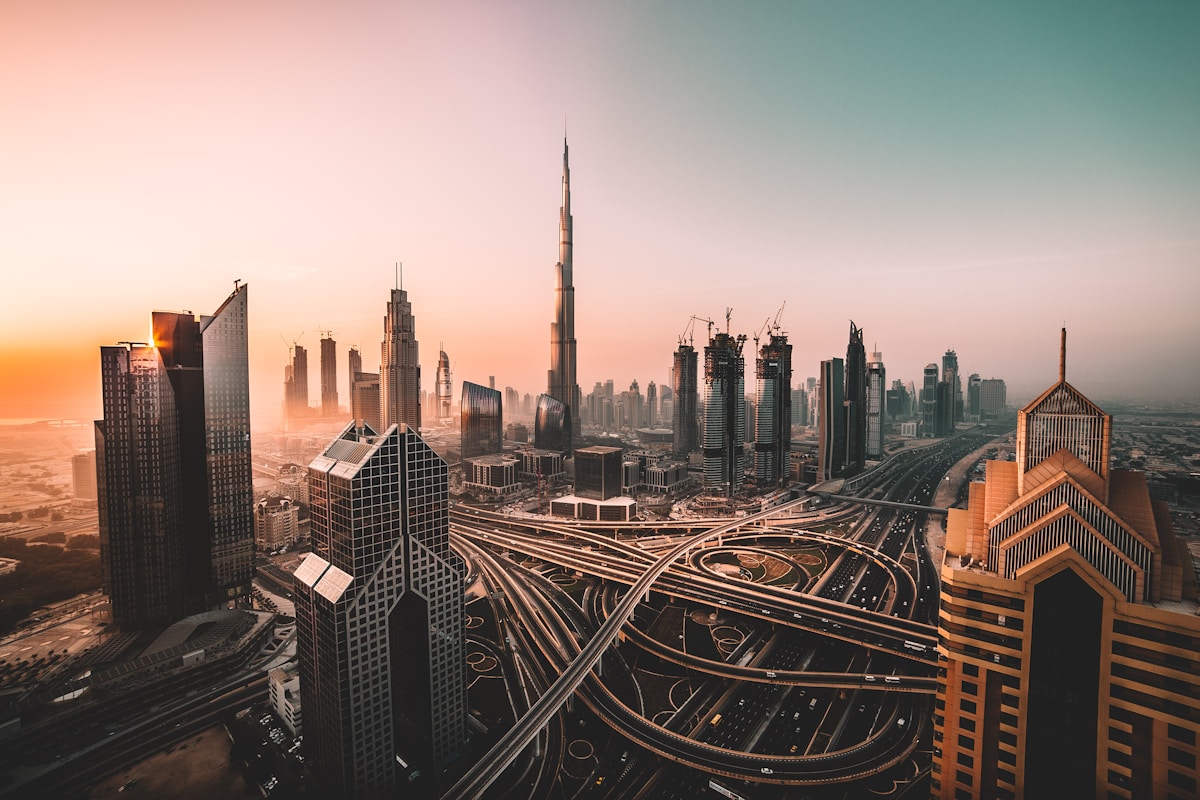
The story of Dubai's transformation from a modest trading port to one of the world's premier financial centers reads like something out of a business school case study. Yet here we are in 2025, witnessing a financial ecosystem that has matured beyond what many thought possible just two decades ago. For anyone considering doing business or investing in this dynamic emirate, understanding the intricate web of financial institutions, regulations, and opportunities has become essential.
The Foundation: What Makes Dubai Different
Walking through the Dubai International Financial Centre on a typical weekday morning, you'll encounter a fascinating mix of languages, business attire, and conversations about markets spanning from Tokyo to New York. This isn't accidental. Dubai has deliberately positioned itself as the bridge between East and West, and nowhere is this more evident than in its financial sector.
The emirate's financial ecosystem rests on several unique pillars that distinguish it from other global financial centers. First and foremost is the regulatory framework that manages to be both business-friendly and robust. The Dubai Financial Services Authority operates with a level of sophistication that rivals London or Singapore, yet maintains the flexibility that entrepreneurs and investors appreciate.
Consider the dual regulatory system that exists here. On one hand, you have the DIFC with its common law framework, operating almost as a financial free zone with its own courts and regulations. On the other, there's the broader UAE regulatory environment governed by the Central Bank and the Securities and Commodities Authority. This might sound complex, but it actually provides businesses with options – a luxury not available in many jurisdictions.
The Players: Who Shapes Dubai's Financial Landscape
The diversity of financial institutions operating in Dubai tells you everything you need to know about its global appeal. Emirates NBD, the largest banking group in the region, sits alongside international giants like HSBC, Standard Chartered, and Citibank. Islamic banks such as Dubai Islamic Bank and Emirates Islamic have pioneered Sharia-compliant financial products that are now being studied and replicated worldwide.
But it's not just about traditional banking anymore. The fintech revolution has found fertile ground in Dubai, with the emirate actively courting digital payment companies, blockchain ventures, and cryptocurrency platforms. The government's own embrace of technology – evidenced by initiatives like the Dubai Blockchain Strategy – has created an environment where financial innovation isn't just welcomed, it's expected.
Investment firms, private equity funds, and venture capital operations have also multiplied. From global names managing sovereign wealth to boutique funds focused on regional opportunities, the variety ensures that capital flows to promising ventures. This ecosystem supports everything from massive infrastructure projects to early-stage startups working out of co-working spaces in Dubai Internet City.
Real Estate Finance: The Market That Never Sleeps
Anyone who's spent time in Dubai knows that real estate isn't just an industry here – it's practically a sport. The financial mechanisms supporting this sector have evolved into a sophisticated machine that processes billions of dollars in transactions annually.
Mortgage financing has matured significantly. Where once you might have struggled to find competitive rates or flexible terms, today's market offers products ranging from conventional mortgages to Islamic financing structures, with loan-to-value ratios that can reach up to eighty percent for qualifying buyers. International banks compete fiercely for mortgage business, driving down rates and improving service quality.
The introduction of real estate investment trusts and the growth of property funds have added new dimensions to how people invest in Dubai's real estate market. You no longer need to purchase an entire property to gain exposure to this asset class. These vehicles have opened doors for smaller investors while providing professional management and diversification.
The Stock Market: More Than Just a Trading Floor
The Dubai Financial Market has come a long way since its establishment. While it might not grab headlines like New York or Hong Kong, it serves as a crucial barometer for regional economic health and provides access to some of the Middle East's most significant companies.
What makes the DFM particularly interesting in 2025 is its increasing integration with global markets. Foreign ownership restrictions have been relaxed in many sectors, and the introduction of derivatives and other financial instruments has attracted a more diverse investor base. The market's focus on sectors like real estate, banking, and telecommunications reflects Dubai's economic DNA, but newer listings in technology and renewable energy hint at future directions.
For international investors, the market offers something unique: exposure to a tax-free environment with companies that often have regional monopolies or dominant market positions. Yes, liquidity can be lower than major global exchanges, but patient investors have found value here, particularly in dividend-paying blue chips.
Wealth Management: Catering to Global Fortunes
Dubai's evolution into a wealth management hub deserves particular attention. The city attracts high-net-worth individuals from across the globe, and where wealthy people go, private banking and wealth management services follow.
The wealth management landscape here is remarkably diverse. You'll find everything from Swiss private banks offering their traditional discretion and expertise to emerging digital wealth platforms that leverage technology to serve a younger generation of wealthy entrepreneurs. Family offices, once rare in this part of the world, have multiplied as successful business owners seek to preserve and grow their wealth across generations.
What's particularly interesting is how Islamic wealth management has developed alongside conventional services. Sharia-compliant investment products, from sukuk to Islamic equity funds, have proven that ethical investing principles can coexist with strong returns. This has attracted not just Muslim investors but anyone interested in socially responsible investment strategies.
The Practical Takeaway
For businesses and investors trying to navigate this landscape, the key is recognizing that Dubai's financial ecosystem is both sophisticated and accessible. Yes, you need to understand the regulatory environment and choose the right structures and partners. But the ecosystem is designed to facilitate business, not obstruct it.
Whether you're a multinational corporation looking to establish regional treasury operations, a startup seeking venture funding, or an individual investor exploring opportunities, Dubai's financial infrastructure can accommodate your needs. The diversity of institutions, the depth of expertise, and the forward-looking regulatory approach create an environment where financial goals – ambitious or modest – can be pursued with confidence.
📌 Disclaimer: This content is for educational purposes only and does not constitute financial advice. Always consult licensed professionals before making investment decisions.
📊 Dubai Capital Advisors
For more insights and market analysis
🌐 www.dubaicapitaladvisors.com
📧 info@dubaicapitaladvisors.com