Navigating Dubai's Real Estate Market in 2025: A Complete Investment Guide

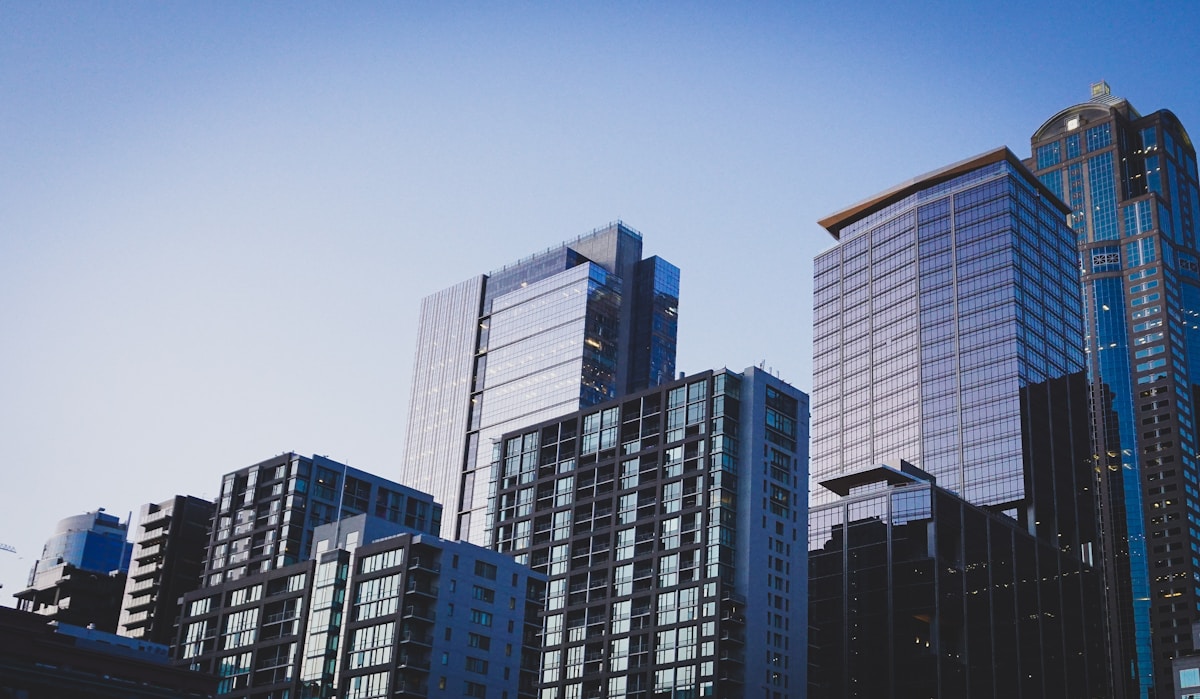
Dubai Marina waterfront properties

The coffee had gone cold in my cup as I sat across from a property investor who had just completed his fifth acquisition in Dubai. "The thing people get wrong," he said, leaning forward, "is thinking this market works like anywhere else. It doesn't. And that's exactly why it's so interesting."

He's right. Dubai's real estate market operates according to its own logic, shaped by unique factors that don't exist in London, Singapore, or New York. For anyone considering property investment here, understanding these distinctive characteristics isn't optional – it's essential for making informed decisions that can yield substantial returns or protect you from costly mistakes.

The Foundation: Understanding Market Structure

Dubai's property market is remarkably transparent compared to many emerging markets, yet it retains complexities that can trip up newcomers. The Dubai Land Department maintains comprehensive transaction records, and websites like Property Finder and Bayut provide real-time listings with actual asking prices, not the inflated figures you might encounter in some markets. This transparency is refreshing and makes genuine market research possible.

What makes this market particularly interesting is the sheer variety of property types and locations. You have everything from studios in older buildings going for under two hundred thousand dirhams to palatial villas on Palm Jumeirah commanding tens of millions. This range means there's genuinely something for every budget and investment strategy, whether you're a first-time investor testing the waters or a seasoned property mogul looking to expand your portfolio.

The freehold versus leasehold distinction matters here more than in many Western markets. Freehold areas, where foreigners can own property outright, have expanded significantly over the years. Today's investor has access to most desirable locations under freehold terms, though some prime areas remain leasehold only. Understanding this distinction before you start your search will save considerable time and potential disappointment. The last thing you want is to fall in love with a property only to discover ownership restrictions that don't align with your investment goals.

Location Dynamics: Where Value Lives

Anyone who's spent time analyzing Dubai's property market will tell you that location dynamics here are unlike anywhere else. The city's rapid development means that "prime" locations can shift more quickly than in established markets. Areas that were considered secondary five years ago might now command premium prices, while some previously premium locations have seen values moderate as newer, more attractive developments come online.

Take Business Bay, for instance. A decade ago, it was largely a construction site with questionable appeal. Today, it's a thriving mixed-use district with some of the city's best rental yields, attractive to young professionals and small families alike. The transformation has been remarkable, and investors who recognized the potential early have done exceptionally well. But past performance, as they say, doesn't guarantee future results, and what worked in Business Bay might not replicate in every emerging area.

Dubai Marina remains perennially popular, and for good reason. The waterfront lifestyle, extensive amenities, and established community continue to attract both residents and investors. Rental yields here typically range between five and seven percent, decent by global standards, though not as high as some emerging areas. The premium you pay for Marina properties reflects the established reputation and the lifestyle on offer – something that matters more to some investors than pure yield calculations.

Downtown Dubai, with its iconic Burj Khalifa and Dubai Mall, represents the premium end of the apartment market. Properties here command the highest prices per square foot in the city, but rental yields tend to be more modest, typically in the four to six percent range. The appeal here is less about immediate returns and more about capital appreciation potential and prestige. Owning property with a Burj Khalifa address carries cachet that some investors and occupiers are willing to pay for.

For those looking at villa communities, areas like Arabian Ranches, Dubai Hills Estate, and the newer developments in Dubai South present interesting options. These family-oriented communities offer more space and often better value per square foot than high-rise apartments. Rental yields can be attractive, particularly if you target the corporate rental market where companies lease properties for their expatriate executives. The downside is typically lower liquidity – villas generally take longer to sell than apartments in popular towers.

The Numbers: What Returns Look Like

Let's talk about the financial realities, because this is ultimately what investment decisions should be based on. Dubai's property market in 2025 offers rental yields that remain competitive globally, typically ranging from five to eight percent depending on location and property type. These yields are calculated as annual rental income divided by property purchase price, and they represent your cash-on-cash return if you buy without financing.

But yield is only part of the story. Capital appreciation has been more volatile and harder to predict. The market experienced significant corrections in 2009 and again in the mid-2010s, with property values falling by thirty to forty percent in some segments. More recently, we've seen strong growth in certain segments, driven by increased demand from international buyers fleeing political uncertainty elsewhere, improved market fundamentals, and government initiatives that have strengthened buyer confidence. The key is not assuming that price appreciation is guaranteed or linear.

Transaction costs in Dubai are relatively straightforward but need to be factored into your calculations. The Dubai Land Department fee is four percent of the purchase price, traditionally split between buyer and seller, meaning most buyers pay two percent. Add agent commission, typically two percent of the purchase price, and various registration fees totaling a few thousand dirhams, and you're looking at roughly four to five percent in total transaction costs. These costs are lower than in many Western markets where stamp duty and other fees can reach ten percent or more, though they do impact your initial return on investment.

Financing is readily available, with most banks offering mortgages up to seventy-five or eighty percent loan-to-value for qualifying buyers. Interest rates have been competitive historically, though they've risen in line with global rate increases over the past couple of years. Current rates typically range from four to six percent for variable rate mortgages. The mortgage process can be thorough, requiring extensive documentation about income, existing debts, and the property itself, but for qualified buyers, accessing leverage is certainly possible and can significantly improve your return on equity.

Off-Plan versus Ready Properties: The Great Debate

The off-plan market in Dubai deserves special attention because it operates differently than in most other cities. Developers here offer attractive payment plans, often requiring just ten or twenty percent down payment with the balance spread over the construction period through post-dated cheques. This structure makes it possible to control significant property value with relatively modest initial capital, which appeals to investors looking to maximize leverage.

The appeal is obvious: lower entry costs, potential for capital appreciation during construction, and newer properties with modern amenities and finishes. If you buy at launch and the developer delivers on time in a rising market, you can realize substantial gains. I've seen investors double their money on well-timed off-plan purchases, particularly in developments from reputable developers in desirable locations.

But the risks are equally real and deserve serious consideration. Construction delays, though less common than they once were, still happen. Developer quality varies significantly, from excellent international firms with impeccable track records to local operations that may struggle to complete projects on time or to promised specifications. And if the market turns during the construction period, which can easily span two to three years, you might find yourself completing on a property worth less than you're paying for it, with limited options to exit.

Ready properties eliminate construction risk and provide immediate rental income if you're investing rather than occupying. The market for ready properties is generally more liquid – if you need to sell, it's typically easier to find buyers for existing properties than for off-plan commitments, which often can't be easily transferred. You also have the significant advantage of seeing exactly what you're buying, including the quality of finishes, the character of the community, and the reality of amenities rather than relying on glossy brochures and showroom promises.

The choice between off-plan and ready ultimately depends on your risk tolerance, time horizon, and market outlook. If you believe the market is entering a growth phase and you've identified a reputable developer with a good track record, off-plan can offer excellent value. If you prioritize immediate income, capital preservation, and the ability to sell quickly if needed, ready properties make more sense despite typically higher entry prices.

The Rental Market: Understanding Tenant Dynamics

If you're buying for investment rather than personal use, understanding Dubai's rental market is crucial for success. The market is largely driven by expatriates, which means tenant quality is generally high – people with good jobs, stable incomes, and a vested interest in maintaining properties. But it also means rental demand is tied to economic conditions and employment trends in ways that might be less pronounced in cities with more stable, local populations.

Rental payments in Dubai are typically made annually or in up to four post-dated cheques, which is different from the monthly rent common in Western markets. This structure requires landlords to manage their cash flow differently – you're getting significant sums upfront rather than steady monthly income. The upside is that you're getting a year's rent secured at once, reducing default risk and administrative overhead. The downside is that if you have a mortgage, you'll need to manage the mismatch between receiving annual rent and making monthly payments.

Vacancy periods need to be factored into your return calculations realistically. In well-located properties with appropriate pricing, vacancy periods are typically short – often just a few weeks between tenants as the previous tenant moves out and the new one moves in. But in oversupplied areas or during economic downturns, properties can sit empty for months. I've seen landlords in less desirable locations struggle with vacancy rates of twenty percent or more, which completely changes the investment math. This is where location quality really matters and why paying a bit more for a property in a proven rental area often makes financial sense.

Making It Work: Practical Investment Strategies

Successful property investment in Dubai typically follows one of several proven strategies. The buy-and-hold approach focuses on locations with strong rental demand and long-term appreciation potential. This is the most conservative strategy and often the most reliable. You're buying quality properties in established areas, renting them out to generate steady income, and holding through market cycles. This approach requires patience but tends to work well over five to ten year timeframes.

Some investors focus on emerging areas, accepting higher risk for potentially higher returns. This requires more market knowledge and a stronger stomach for volatility, but the payoffs can be substantial if you correctly identify the next Business Bay or Dubai Marina before everyone else does. The key is distinguishing between areas with genuine long-term potential and those that are simply cheap for good reasons.

Portfolio diversification within Dubai is another smart approach. Rather than putting all your capital into one large property, some investors spread risk across multiple units in different locations and price points. You might own a studio in Business Bay, a one-bedroom in Dubai Marina, and a two-bedroom in emerging areas. This reduces concentration risk and provides multiple income streams that may perform differently in various market conditions.

The Bottom Line

Dubai's real estate market in 2025 offers genuine opportunities for informed investors. The combination of competitive yields, potential for capital appreciation, favorable tax treatment, and improving market regulations creates an attractive proposition. Add in the city's ongoing development, its role as a regional hub, and a government committed to maintaining property market stability, and you have the ingredients for a functioning investment market.

But opportunities come with risks that deserve respect. Market cycles are real, oversupply affects certain segments periodically, and the inherent volatility of an emerging market means prices can move sharply in both directions. Success in this market isn't about finding secrets or having special connections – it's about thorough research, realistic expectations, disciplined execution, and the patience to hold through inevitable market fluctuations.

For those willing to do their homework and maintain a long-term perspective, Dubai's property market can be a valuable component of a diversified investment portfolio. Just remember that while the coffee might go cold during your research sessions, your investment approach should remain level-headed, analytical, and grounded in financial fundamentals rather than emotional appeals or fear of missing out.

📌 Disclaimer: This content is for educational purposes only and does not constitute financial advice. Dubai's real estate market involves significant capital and risk. Always conduct thorough due diligence and consult licensed professionals before making investment decisions.

📊 Dubai Capital Advisors

Expert insights on Dubai's real estate and investment landscape

🌐 www.dubaicapitaladvisors.com

📧 info@dubaicapitaladvisors.com