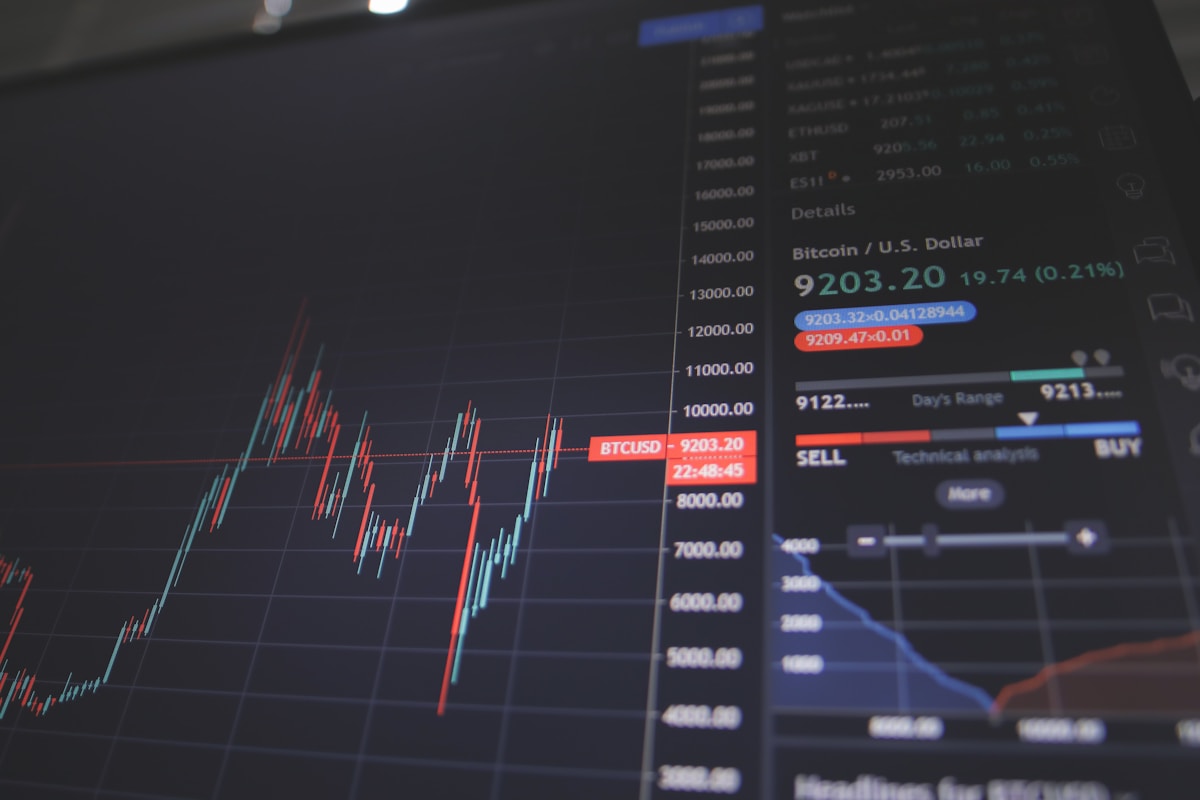
Dubai Financial Market trading and investment

The trading floor at the Dubai Financial Market opens at ten in the morning, Gulf Standard Time. Within minutes, millions of dirhams change hands as investors position themselves in companies that form the backbone of the UAE economy. For international investors looking beyond traditional Western markets, the DFM represents something unique – access to a tax-free environment with companies that dominate regional markets and benefit from the UAE's strategic position connecting East and West.

Understanding the Dubai Financial Market requires looking beyond simple price charts and dividend yields. This is a market shaped by unique factors – a currency pegged to the US dollar providing exchange rate stability, zero capital gains tax creating genuine tax efficiency, and a regulatory environment that has matured significantly over the past two decades. For investors willing to understand these dynamics, the DFM offers opportunities that simply don't exist in more established markets.

Market Structure and Fundamentals

The Dubai Financial Market, established in 2000, serves as the primary stock exchange for the emirate. With over sixty listed companies spanning diverse sectors, the market capitalization exceeds one hundred billion US dollars, making it a significant regional exchange even if it doesn't compete with global giants like New York or Hong Kong in terms of size.

What distinguishes the DFM is its concentration in specific sectors that reflect Dubai's economic structure. Real estate companies, banks, and service sector firms dominate the listings. This isn't a diversified market in the way the S&P 500 represents broad American industry. Instead, it's a focused collection of companies that benefit directly from Dubai's position as a regional business and tourism hub.

The market operates Sunday through Thursday, reflecting the UAE's Friday-Saturday weekend. Trading hours run from ten in the morning until two in the afternoon, Gulf Standard Time. This limited trading window means liquidity concentrates into four hours daily, creating both opportunities and challenges. Price movements can be more volatile than in markets with longer trading hours, but for traders who understand the patterns, this volatility creates opportunity.

Settlement follows a T+2 system – trades settle two business days after execution. This aligns with international standards and facilitates foreign investment. The currency of trading is the UAE dirham, pegged to the US dollar at 3.67 dirhams per dollar. This peg, maintained since 1997, eliminates currency risk for dollar-based investors and provides stability that floating currency markets cannot match.

Major Players and Blue Chip Stocks

Emaar Properties dominates the real estate sector of the DFM. As the developer behind the Burj Khalifa, Dubai Mall, and numerous residential communities, Emaar represents a direct play on Dubai's property market and tourism industry. The company's stock price often moves in correlation with broader real estate trends, making it a bellwether for the property sector.

Dividend yields from Emaar have historically ranged between four and six percent, attractive by global standards though not exceptional within the UAE market. What makes Emaar interesting is its leverage to Dubai's growth story. When Dubai thrives, Emaar benefits both through property sales and recurring income from its retail and hospitality assets. When Dubai faces headwinds, Emaar feels it acutely.

Emirates NBD, the largest banking group in the UAE by assets, offers exposure to the financial sector. With operations across the Middle East and significant investment banking and wealth management divisions, Emirates NBD represents a diversified financial services play. The bank's performance correlates with economic growth across the region, loan demand, and interest rate environments.

Banking stocks in the UAE generally offer attractive dividend yields, often exceeding five percent. This reflects both the profitability of the banking sector and the preference among Gulf investors for dividend income. Emirates NBD has maintained relatively consistent dividend payments, though like all banks, it's exposed to credit cycle risks and regulatory changes.

Dubai Islamic Bank represents the Sharia-compliant banking sector. Islamic banks have grown significantly in the UAE, and DIB stands as one of the largest and most successful. For investors interested in Islamic finance or those seeking exposure to this growing segment, DIB provides a liquid, transparent option. The bank's performance often mirrors conventional banks while adhering to Islamic principles around interest and investment.

Emaar Malls, spun off from Emaar Properties, owns and operates major retail destinations including Dubai Mall. The stock provides pure-play exposure to retail real estate and benefits from Dubai's position as a shopping destination. Rental income from tenants provides steady cash flow, while the company's asset base appreciates with Dubai's real estate market.

Investment Opportunities by Sector

The banking and financial services sector offers arguably the most compelling opportunities for income-focused investors. UAE banks operate in a relatively stable regulatory environment, serve a growing population with increasing wealth, and benefit from the country's position as a regional financial hub. Dividend yields typically range from four to seven percent annually, providing income that exceeds most Western bank stocks.

The stability of earnings comes from several sources. UAE banks serve both retail customers and corporations, providing diversification across customer types. The mortgage market has grown significantly, creating long-term loan portfolios. Corporate banking serves the many businesses operating in the UAE's free zones and mainland. Wealth management divisions cater to the region's high-net-worth individuals.

Real estate companies provide exposure to Dubai's property market without the complications of direct property ownership. These companies handle property management, deal with tenants, and manage the complexities of real estate operations. Investors receive dividend income from rental profits and benefit from capital appreciation when property values rise.

The challenge with real estate stocks is their cyclicality. Dubai's property market has experienced significant volatility over the past fifteen years, with sharp corrections in 2009 and the mid-2010s. Real estate stocks amplify these moves – they fall harder in downturns but rise more sharply in recoveries. Understanding where Dubai's property cycle stands is crucial for timing investments in this sector.

Emerging sectors including technology, renewable energy, and healthcare are beginning to establish presence on the DFM. While still small relative to banking and real estate, these sectors represent Dubai's economic diversification efforts. Technology companies benefit from Dubai's smart city initiatives and digital transformation programs. Renewable energy companies participate in the UAE's ambitious clean energy targets. Healthcare providers serve growing demand from both residents and medical tourists.

How to Actually Invest in the DFM

Accessing the Dubai Financial Market requires opening a trading account with a licensed broker authorized by the Securities and Commodities Authority. Both local UAE brokers and international brokers with UAE operations offer this service. The choice between local and international brokers depends on your specific circumstances and preferences.

Local brokers often provide better access to market intelligence, Arabic language support, and familiarity with local market dynamics. They understand the nuances of how the DFM operates and can provide insights that international brokers may miss. However, their technology platforms may not match the sophistication of major international brokers.

International brokers bring superior technology platforms, broader research coverage, and the ability to trade across multiple markets from a single account. If you're investing in both the DFM and other international markets, consolidating everything with one broker simplifies administration and reporting. The trade-off is potentially less specialized knowledge of the UAE market specifically.

The account opening process requires standard documentation – passport, proof of address, and financial information to satisfy Know Your Customer requirements. UAE residents typically find the process straightforward. International investors may face additional documentation requirements, particularly around source of funds and investment experience.

Once your account is open and funded, placing trades works similarly to any modern brokerage platform. You can place market orders that execute immediately at current prices, or limit orders that execute only at your specified price. The four-hour trading window means market orders during active trading generally execute quickly, though liquidity varies significantly between large-cap and small-cap stocks.

Understanding Costs and Fees

Brokerage commissions in the UAE typically range from 0.15 to 0.30 percent per transaction. This applies to both buying and selling, meaning a round-trip trade costs 0.30 to 0.60 percent in commissions. These rates are competitive with international markets and lower than many emerging market exchanges.

Some brokers charge flat fees rather than percentage-based commissions, particularly for larger trades. Negotiating fee structures makes sense if you're planning significant trading volumes. Brokers often provide better rates to active traders or those maintaining large account balances.

Account maintenance fees vary by broker and account type. Some brokers charge monthly fees of fifty to two hundred dirhams. Others waive fees for accounts maintaining minimum balances or executing minimum monthly trades. Understand your broker's fee structure completely before opening an account, as these ongoing costs can erode returns over time.

Dividend income from UAE stocks is received tax-free for individual investors. There's no withholding tax on dividends, and UAE residents pay no personal income tax on investment income. This tax efficiency significantly enhances after-tax returns compared to markets where dividend income faces taxation.

Market Advantages and Unique Characteristics

The zero capital gains tax environment represents perhaps the DFM's most compelling advantage. When you sell stocks at a profit, you keep the entire gain. No tax withholding, no reporting requirements, no complexities. For international investors accustomed to paying twenty or thirty percent on capital gains, this creates meaningful value.

The dirham's peg to the US dollar provides currency stability that few emerging markets can match. Currency fluctuations often represent the largest risk when investing in emerging markets – the Turkish lira, Argentine peso, or South African rand can move dramatically against hard currencies. The dirham's peg eliminates this risk entirely for dollar-based investors.

Foreign ownership restrictions have been relaxed significantly in recent years. Many sectors now allow 100 percent foreign ownership, opening opportunities that were previously restricted. This liberalization has attracted increased foreign investment and improved market liquidity.

The regulatory environment has strengthened considerably. The Securities and Commodities Authority enforces disclosure requirements, monitors trading for manipulation, and maintains standards that increasingly align with international best practices. While not yet at the level of the SEC or UK's FCA, the regulatory framework provides meaningful investor protection.

Risks and Limitations to Consider

Liquidity in the DFM varies dramatically between stocks. Large-cap stocks like Emaar and Emirates NBD trade actively with tight bid-ask spreads and the ability to execute sizable orders without significantly moving prices. Smaller companies may trade thinly, with wide spreads and difficulty executing larger orders at desired prices.

This liquidity challenge affects both entry and exit. You might buy a small-cap stock easily but struggle to sell it later without accepting a significant discount to the quoted price. Stick to the most liquid names unless you're prepared to accept illiquidity as part of your investment thesis.

The market's concentration in specific sectors creates correlation risk. When real estate markets weaken, many DFM stocks fall together. When oil prices drop and regional economic growth slows, broad market weakness follows. Diversifying across the DFM doesn't provide the same risk reduction as diversifying across truly different industries and economic exposures.

Information availability and research coverage remain below international standards. While major stocks receive coverage from local and some international analysts, research quality and independence can be questionable. Many smaller companies receive minimal analyst attention. Investors need to conduct their own research and not rely solely on available analyst reports.

Corporate governance continues improving but hasn't reached Western standards universally. Related-party transactions, concentrated ownership, and limited minority shareholder rights can create issues. Understanding ownership structures and governance practices of specific companies becomes crucial for protecting your interests.

Practical Investment Strategies

A dividend-focused strategy makes considerable sense in the DFM. Many stocks offer yields exceeding five percent, and the tax-free treatment of dividends enhances after-tax returns significantly. Building a portfolio of stable, dividend-paying blue chips provides income while participating in potential capital appreciation.

Focus on companies with consistent dividend payment histories. Look for payout ratios that are sustainable – companies distributing seventy or eighty percent of earnings as dividends may struggle to maintain payments during difficult periods. Companies retaining some earnings for growth while still providing attractive yields often make better long-term investments.

Value investing opportunities emerge periodically in the DFM, particularly during broader market corrections. The market's limited analyst coverage and relatively unsophisticated retail investor base can create mispricings that careful analysis can identify. Companies trading at significant discounts to asset value or generating strong cash flows relative to market capitalization deserve investigation.

The key to value investing in this market is patience and genuine analysis. Price movements don't always follow fundamental logic in the short term. Finding undervalued companies is only half the equation – you need catalysts that will eventually cause the market to recognize that value. Management changes, strategic shifts, or broader market conditions can serve as catalysts.

Sector rotation strategies can work well in the DFM given its concentration in specific sectors. Understanding economic and real estate cycles helps identify when to emphasize banks versus real estate companies versus defensive sectors. This requires market timing ability and willingness to make active allocation decisions, but the market's structure rewards this approach for skilled investors.

📌 Disclaimer: This article provides educational information about the Dubai Financial Market. It does not constitute investment advice. Market conditions change, and past performance does not guarantee future results. Conduct thorough research and consider consulting financial professionals before making investment decisions.

📊 Dubai Capital Advisors

In-depth analysis of Dubai's financial markets and investment landscape

🌐 www.dubaicapitaladvisors.com

📧 info@dubaicapitaladvisors.com