Dubai Green Hydrogen 2026: The Strategic Energy Pivot
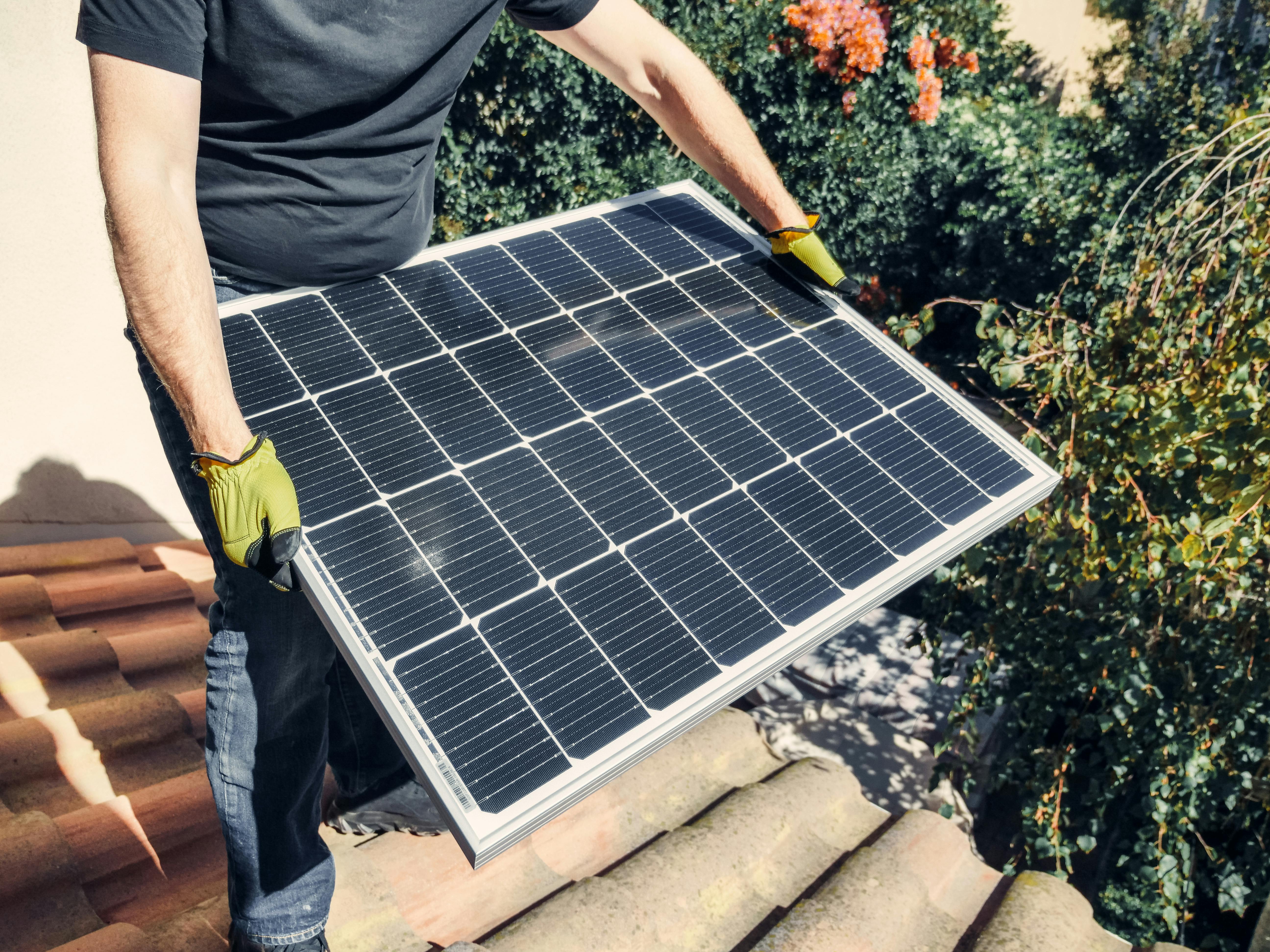
Figure 1: The integration of green hydrogen infrastructure within Dubai's 2026 industrial sustainability framework.
The 2026 Green Hydrogen Alpha: Dubai’s Strategic Pivot to Sustainable Wealth
In February 2026, the global energy conversation has shifted from "transition" to "execution." Dubai, a city that has historically mastered the art of economic reinvention, is now leading the world into the Green Hydrogen Era. Building on the robust data and infrastructure milestones achieved throughout 2025, Dubai has successfully monetized its solar abundance, transforming sunlight into a tradeable, liquid, and zero-carbon fuel. For those navigating financial information, this represents more than an environmental commitment; it is the most significant "Alpha" generation opportunity of the decade within the Dubai financial ecosystem.
The convergence of renewable technology and institutional capital has placed Dubai at the heart of the world's most sophisticated capital advisory strategies. As we analyze the 2025 energy outputs, it becomes clear that the shift towards "Molecular Wealth" is the logical progression of the Dubai 2030 wealth revolution.
I. The 2025 Green Energy Retrospective: Beyond Solar
2025 was the year Dubai proved that green hydrogen could be produced at a commercial scale. According to the 2025 Annual Energy Report, the expansion of the Mohammed bin Rashid Al Maktoum Solar Park allowed for the integration of large-scale PEM (Proton Exchange Membrane) electrolyzers, effectively lowering the cost of green hydrogen production to under $2 per kilogram—a psychological and economic milestone. This cost reduction has triggered a massive influx of industrial manufacturing giants seeking to "decarbonize" their supply chains.
Furthermore, the 2025 launch of the "Dubai Green Finance Framework" has enabled companies to issue specialized "Sustainability-Linked Sukuks," which saw an oversubscription of 400% last year. This liquidity has funded infrastructure projects we see today in 2026, including the world’s first hydrogen-powered heavy-logistics corridor connecting Jebel Ali to Dubai South and specialized Free Zones.
2025 Consolidated Sustainability Metrics
- Renewable Energy Share: Reached 25% of total energy mix by Q4 2025.
- Compliance: Driven by the 9% Corporate Tax green incentives.
- Green FDI: Foreign Direct Investment in sustainable tech grew by 35% year-on-year.
- Wealth Influx: Supported by the secrets of global millionaires moving capital into ESG-compliant Dubai assets.
Technological Synergy: PEM vs. Alkaline Electrolysis in 2026
In February 2026, Dubai's competitive edge lies in its dual-technology approach. While alkaline electrolysis provides a stable, low-cost baseline for the industrial developments in Dubai North, the rapid deployment of PEM technology allows for flexible hydrogen production that can respond to solar fluctuations in milliseconds. This technological mastery is what differentiates the 2026 Dubai energy grid from any other in the MEASA region.
II. The Carbon Credit Market: A New Asset Class in 2026
As we navigate February 2026, the "Dubai Carbon Exchange" (DCX) has become the regional benchmark for carbon pricing. Investors are no longer just buying shares in the Dubai Financial Market (DFM); they are hedging their portfolios with carbon offsets. This market has reached a level of maturity where carbon is treated with the same financial rigor as gold and bullion assets.
| Investment Sector | 2026 Outlook | Key Catalyst |
|---|---|---|
| Green Hydrogen | High Reward / Long-term | Export Agreements to EU |
| Carbon Trading | High Volatility / Strategic | Tax Policy Shifts |
| Sustainable Logistics | Moderate / Operational | E-commerce Synergy |
III. Regulatory Prowess: The 2026 Green Taxonomy
One of the most critical developments of late 2025 was the implementation of the "UAE Green Taxonomy." This framework provides a clear definition of "Green" investment, eliminating "Greenwashing." In early 2026, any project claiming sustainability status must undergo a mandatory audit by an FTA-accredited green auditor. This has significantly boosted investor confidence, particularly for those looking to invest in ESG-compliant mutual funds.
The Circular Economy: Waste-to-Wealth 2026
Dubai’s focus in 2026 has expanded to the Circular Economy. We are seeing a boom in startups focused on Waste-to-Energy and water desalination optimization. These firms are leveraging the latest institutional capital to reduce energy consumption in cooling systems. For a venture capital investor on a Dubai Golden Visa, this is the "New Frontier" of the 2026 economy.
IV. Financing the Transition: Green Sukuks and Risk
The financial architecture of 2026 is built on Green Sukuks. These Islamic bonds are uniquely suited for sustainability projects. In early 2026, we have seen a surge in "Retail Green Bonds," allowing expats to participate in Dubai's energy transition through their local digital bank accounts. However, managing the associated climate risk and corporate indemnity remains a priority for institutional CFOs.
AI-Optimized Green Investing
In February 2026, "Green Banking" has been revolutionized by AI algorithms that predict energy yields before project completion. This predictive capability has lowered the insurance premiums for large-scale solar arrays by 15%. For the sophisticated investor, the employment of green-tech specialists is now the fastest-growing sector in Dubai's labor market.
Conclusion: The 2026 Green Mandate
The verdict for February 2026 is absolute: Dubai is the pilot for the new world energy order. The 2025 data proves that the infrastructure is ready and the capital is available. Investors who align their comprehensive portfolios with the "Green Hydrogen Revolution" in early 2026 are positioning themselves at the forefront of the most significant industrial shift since the discovery of oil.